The Perfect French Toast
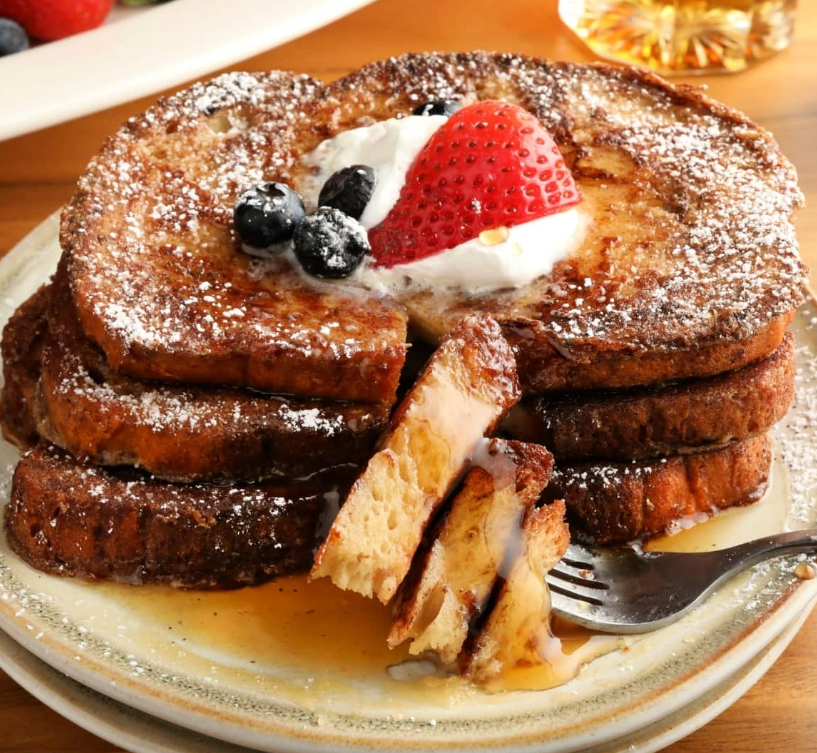
Perfect French golden, fluffy, and made for slow mornings or fast starts. Crisp on the outside, soft in the middle, and just sweet enough, it turns simple ingredients into a warm, satisfying breakfast that never lets you down.
Prep Time
5 min
Cook Time
10 min
Total Time
15 min
servings
4-6
The Perfect French Toast
If you’re craving a cozy breakfast that’s easy to make and impossible to resist, look no further. Perfect French Toast delivers golden edges, a soft custardy center, and just the right touch of sweetness to make mornings feel intentional. Simple ingredients come together fast, but the payoff feels special every time. Whether it’s a slow weekend or a rushed weekday that needs redeeming, this recipe shows up strong. It’s the Handy Spatula way. From prep to plate, we’ve got you covered.
Simple ingredients, easy steps, and a golden, custardy center that turns out perfect every single time.
Ingredients
- 4 slices of thick bread (brioche or challah work best)
- 2 large eggs
- 1 cup of milk
- 1 tsp vanilla extract
- 1 tsp cinnamon
- Butter for cooking
- Maple syrup for serving
Instructions
- In a large bowl, whisk together the eggs, milk, vanilla, and cinnamon until well combined. This mixture will create the perfect custard for soaking the bread.
- Heat a non-stick skillet over medium heat and add a pat of butter.
- Dip each slice of bread into the egg mixture, ensuring both sides are evenly coated. Allow the excess to drip off.
- Place the soaked bread in the skillet, cooking for about 2-3 minutes per side, or until golden brown.
- Remove from the skillet and serve warm with a drizzle of maple syrup and your choice of toppings, such as fresh berries or whipped cream.
Tip: Let the soaked bread rest for about 30 seconds before adding it to the pan. It helps the custard absorb evenly, so the inside cooks tender and creamy while the outside turns golden, not soggy.
Why This Recipe Works
This recipe works because it nails the balance. The custard is rich enough to soak in without drowning the bread, and the quick rest lets everything absorb evenly. That means a soft, creamy center with a golden, lightly crisp outside. No soggy middles. No dry edges. Just French toast that cooks fast, holds together, and delivers comfort in every bite.
Cooking Tips and Variations
- Cooking Tips
- Use thick bread. Brioche, challah, or Texas toast soak up custard without falling apart.
- Let the bread sit in the custard for 15–20 seconds per side. Long enough to absorb, not long enough to get soggy.
- Cook on medium heat. Too hot burns the outside before the center sets.
- Rest the toast for a minute after cooking. The inside finishes setting while you plate.
- Variations
- Add cinnamon, nutmeg, or a splash of vanilla to warm things up.
- Swap milk for half-and-half if you want it richer, or use almond milk for lighter mornings.
- Make it savory with less sugar and a pinch of salt, then top with eggs or bacon.
- Stuff it with cream cheese or fruit if you’re feeling bold and unbothered.
Storage and Nutrition
Storage
- French toast is best fresh, but it stores well when mornings get wild.
- Refrigerate leftovers in an airtight container for up to 3 days.
- Freeze slices in a single layer, then store in a freezer bag for up to 1 month.
- Reheat in a toaster, skillet, or oven to keep the outside crisp. Microwave works, but only if you’re desperate.
Nutrition
French toast delivers steady morning fuel when done right.
- Protein: Eggs provide protein to keep you full and focused longer.
- Carbohydrates: Bread supplies quick, usable energy to get you moving without a crash.
- Fats: Eggs and milk help slow digestion, keeping energy steady through the morning.
- Micronutrients: Eggs add vitamin D and B vitamins that support energy and brain function.
Approximate per serving: 300–350 calories, depending on bread and toppings.
The Perfect French Toast